
Nigeria considers a compensation claim to FIFA following revelations about DR Congo's player eligibility
The Nigerian National Sports Commission says the country has been wronged and is considering approaching FIFA for compensation after the dispute over players improperly registered by DR Congo in the qualifiers
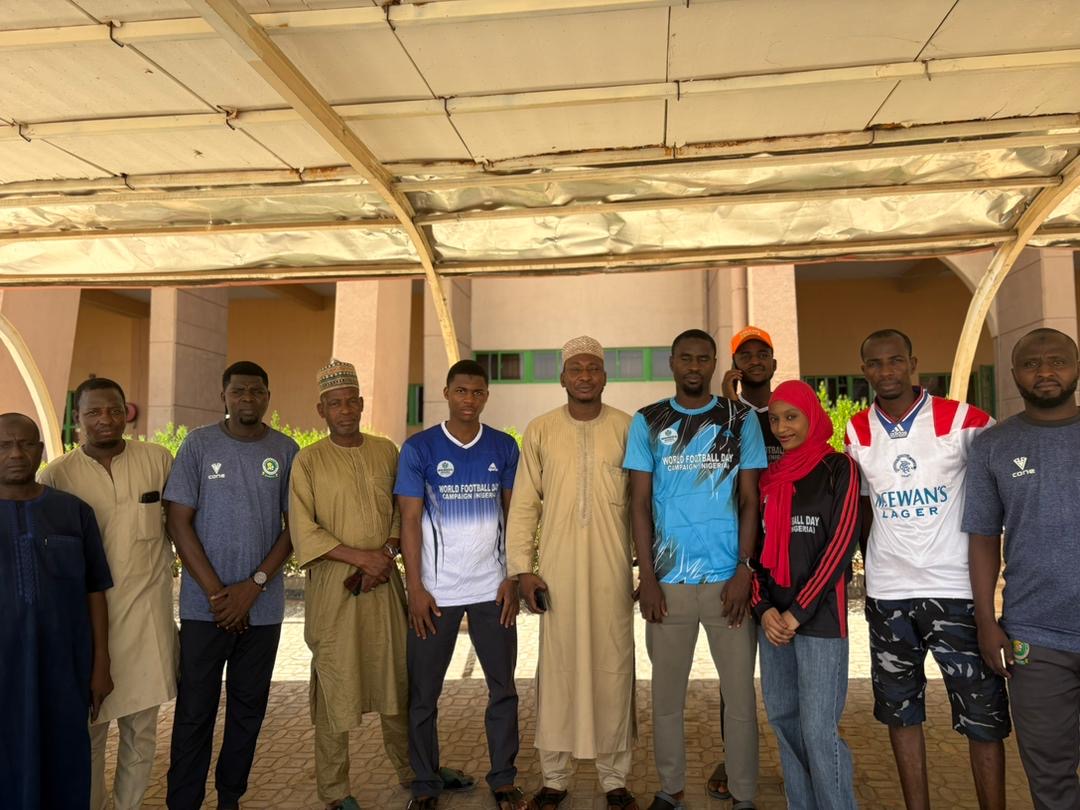
Nigeria is considering a compensation claim to FIFA after revelations about the eligibility of players from the Democratic Republic of Congo emerged in the World Cup qualifiers. A senior official of Nigeria's National Sports Commission said the country feels justified in challenging the use of ineligible athletes by the Congolese side.
Nigeria considers compensation request to FIFA: what triggered the action
Nigeria considers compensation request to FIFA: what triggered the action
The revelation that the Democratic Republic of Congo used ineligible players in the World Cup qualifiers was the spark for Nigeria to consider a compensation request to FIFA. The senior official of Nigeria's National Sports Commission said the country was "justified" in contesting the presence of these athletes, indicating that the irregularity compromised the competitive fairness of the group.
According to the official report, the complaint arose after a detailed analysis of the registration documents of the Congolese players, which highlighted failures in the nationality criteria required by FIFA. The discovery prompted an immediate reaction from the Nigerian federation, which began demanding formal clarification and preparing a dossier to be submitted to football's governing body.
The initial procedure to open a case with FIFA follows well‑defined steps: the federation must submit a written protest, attach documentary evidence and request a temporary suspension of the contested results until the ethics committee decides. Nigeria has already sent the preliminary notification and awaits the entity's response, which could include the annulment of points wrongly gained by DR Congo and possibly a financial compensation for the losses suffered.
This move reflects the increasingly assertive stance of African federations in defending their rights within the global regulatory system. The case is still under review, but Nigeria's determination to seek redress shows that the integrity of the qualifiers is far from being accepted without challenge.
Context of the eligibility dispute between Nigeria and DR Congo
Context of the eligibility dispute between Nigeria and DR Congo
The eligibility dispute between Nigeria and DR Congo has roots that go back to decisive clashes in the qualifying phases for international tournaments, where both sides have met in matches that decided World Cup spots. Each encounter has brought to the fore issues about squad composition and the application of nationality rules.
FIFA's eligibility rules require that a player hold the citizenship of the country they represent and not have been capped by another association in official competitions. Moreover, the documentation must be approved before the start of the group stage, under penalty of sanctions that can range from fines to loss of points. In the present case, the alleged failure by DR Congo to verify these requirements calls into question the uniform application of these rules.
Other African federations have already dealt with similar situations. For example:
- A West African federation challenged the participation of an athlete who had been recently naturalised, resulting in a review of eligibility criteria.
- A Central region country had points deducted after it was discovered that two players did not possess valid identity documents.
- A South African federation appealed to FIFA to overturn results after the inclusion of a player who had represented another national side at youth level.
These precedents show that strict enforcement of the rules is essential to preserve competitiveness in the qualifiers. When a federation feels that an opponent has breached these principles, the pursuit of redress – such as the one Nigeria is considering – becomes part of FIFA's internal control mechanism.
Impact on the competition: what the controversy means for the World Cup
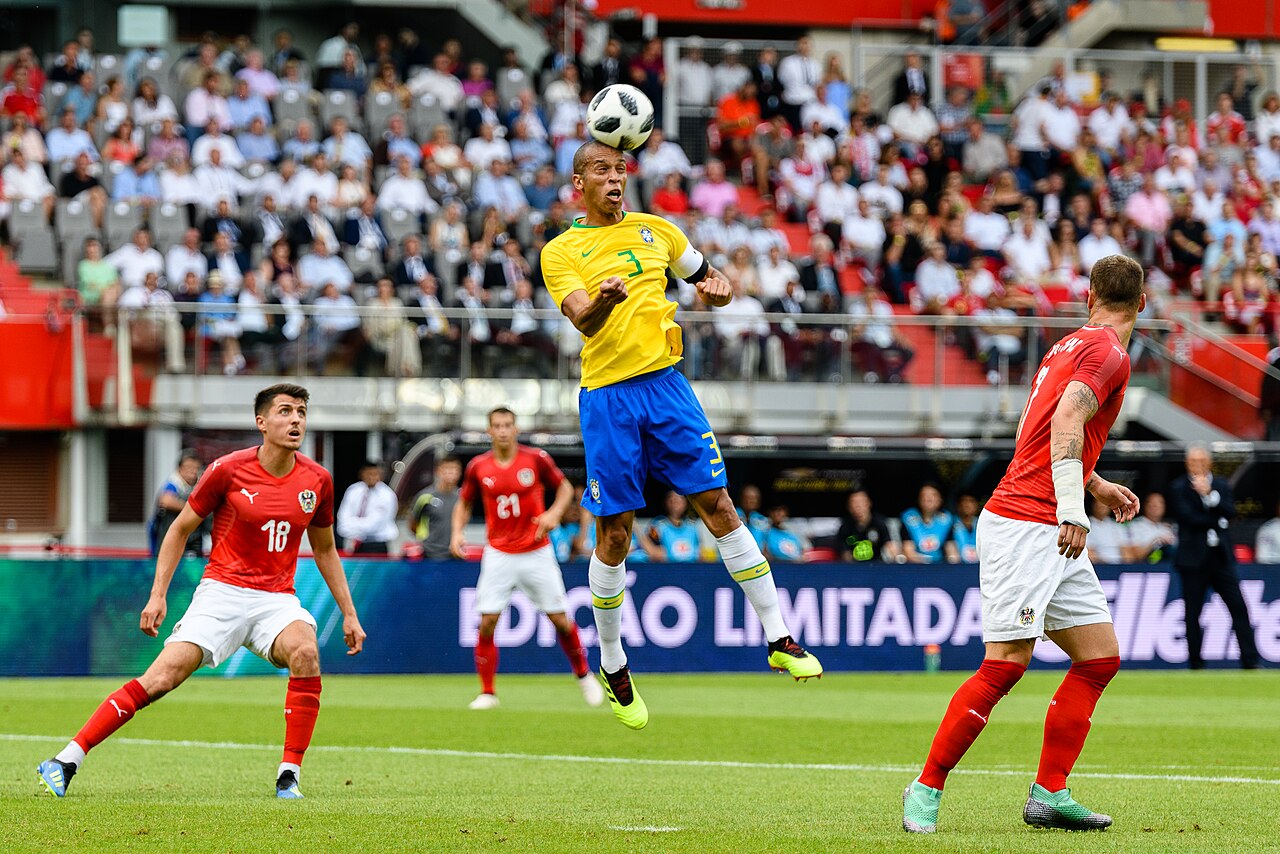
Final analysis: lessons and precedents for African football
Play Score editorial. Images: Wikimedia Commons (author and licence in each caption).
Read next

Marsch sees US‑Canada clash as decisive test on the road to the World Cup
United States coach highlights the strategic and symbolic importance of the showdown against Canada in the qualifiers, pointing to identity building and the need to overcome regional pressure.

France secures 4-1 victory over Belgium and consolidates the lead
The October 4 round brought surprises: Hungary beats Ukraine, Italy defeats Türkiye and France widens the advantage at the top of the Nations League.
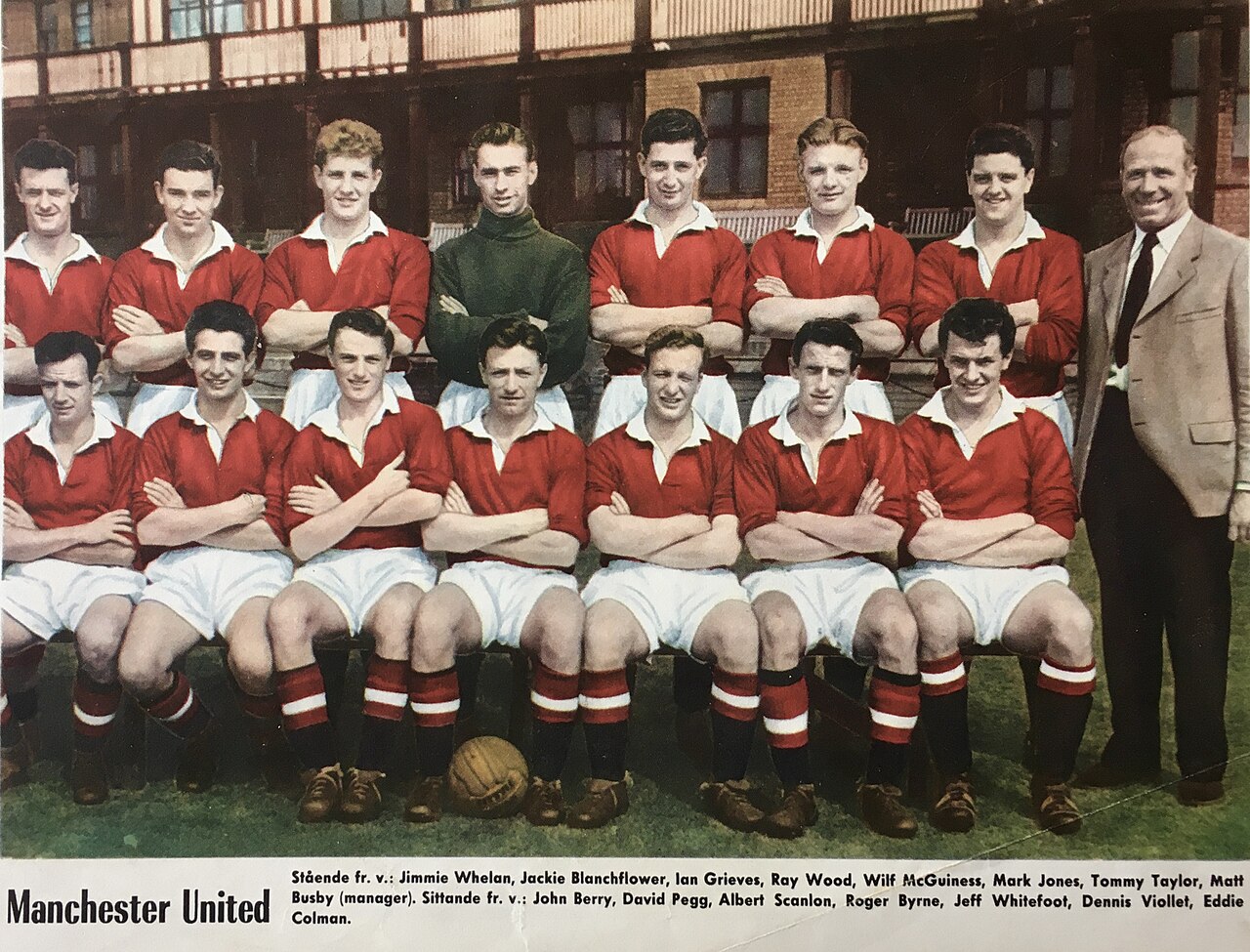
JJ Gabriel's representatives demand playing time before scholarship at Manchester United
imprensa internacional sources say the representatives of the young JJ Gabriel demanded Manchester United give at least 20 minutes of playing time in the matches against Sabah FK, Brighton and Bournemouth before starting negotiations for a scholarship


New Tactical Dynamics in the 2026 Champions League: What Has Changed in Positions?
The elite of European football redefines on‑field roles, prioritizing versatility, high pressure and quick transition, while clubs seek more complete player profiles.