
New Tactical Dynamics in the 2026 Champions League: What Has Changed in Positions?
The elite of European football redefines on‑field roles, prioritizing versatility, high pressure and quick transition, while clubs seek more complete player profiles.
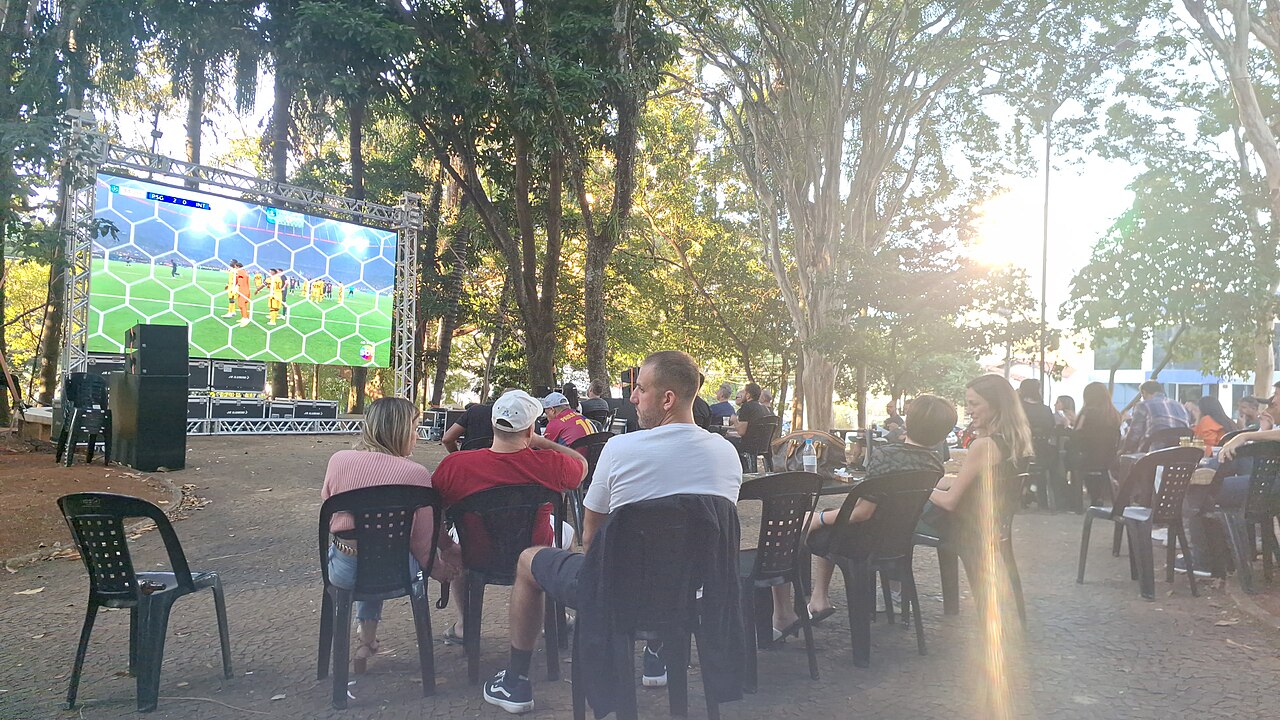
The 2026 Champions League shows a tactical landscape very different from what we saw just a few years ago. Top coaches adopt hybrid systems that require each athlete to contribute in more than one phase of the game, from build‑up play to collective defence.
Versatility as a strong currency
Goalkeepers are now trained to act as attack initiators, actively participating in the build‑up with short passes and even attempting dribbles inside their own area. In midfield, the traditional “volante” has given way to players capable of scoring, creating and covering the flanks, becoming true “wildcards”.
Forwards, in turn, are less static: besides finishing, they need to press the opposing defence in the first metres, disrupting the build‑up and creating immediate counter‑attack opportunities.
Coordinated pressure and swift transition
One of the biggest signs of tactical evolution is the adoption of coordinated press systems, where lines advance almost simultaneously, making it difficult for opponents to play out from the back. This approach demands extreme physical conditioning and game‑reading intelligence, attributes that clubs are valuing above isolated technical skills.
In summary, the 2026 Champions League highlights a new order: multifunctional players, training focused on rapid transition and strategies that blend defensive discipline with offensive creativity.
Read next
Nigeria considers a compensation claim to FIFA following revelations about DR Congo's player eligibility
The Nigerian National Sports Commission says the country has been wronged and is considering approaching FIFA for compensation after the dispute over players improperly registered by DR Congo in the qualifiers

France secures 4-1 victory over Belgium and consolidates the lead
The October 4 round brought surprises: Hungary beats Ukraine, Italy defeats Türkiye and France widens the advantage at the top of the Nations League.
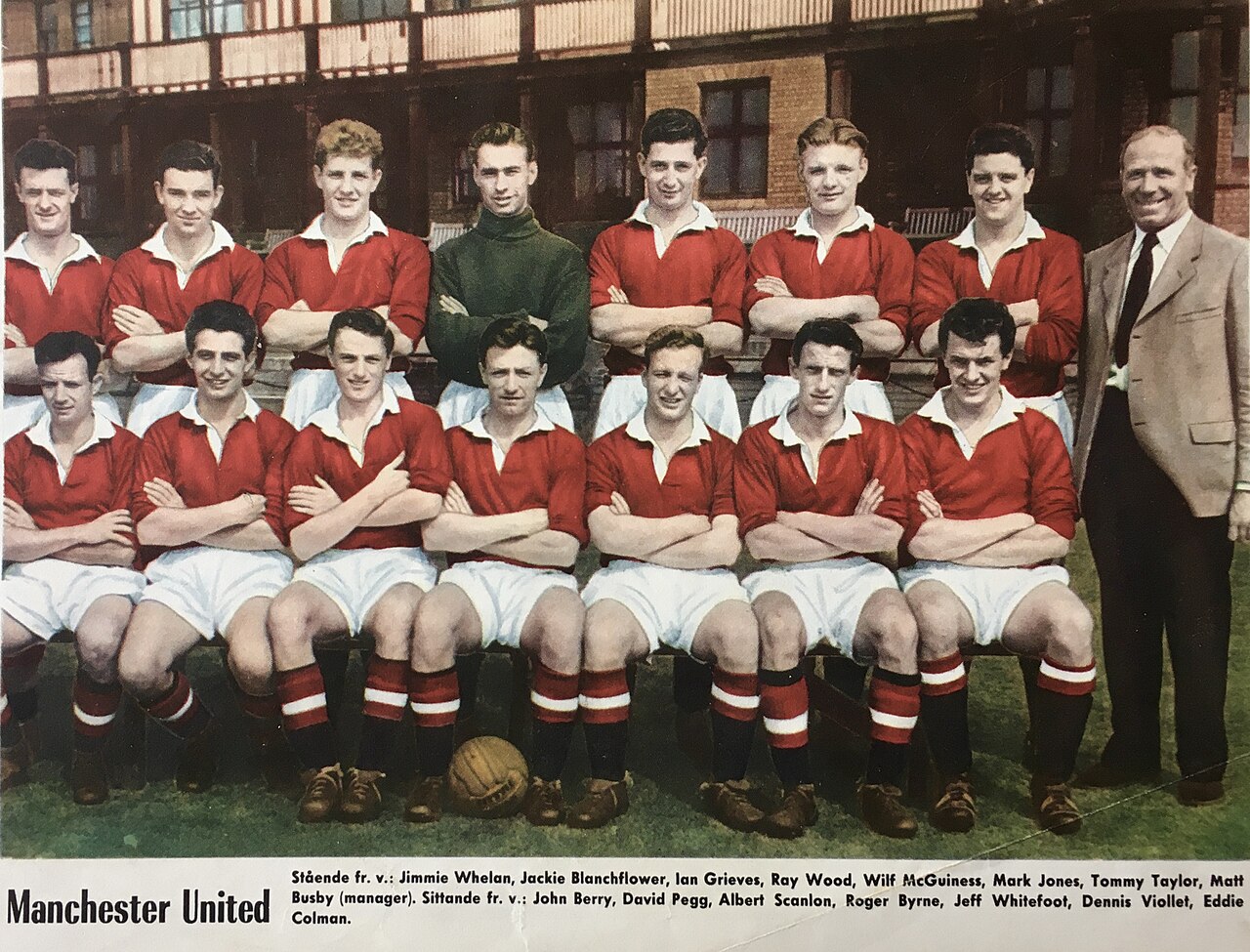

JJ Gabriel's representatives demand playing time before scholarship at Manchester United
imprensa internacional sources say the representatives of the young JJ Gabriel demanded Manchester United give at least 20 minutes of playing time in the matches against Sabah FK, Brighton and Bournemouth before starting negotiations for a scholarship